Tuesday, 17 March 2026

Help with Angry Cats

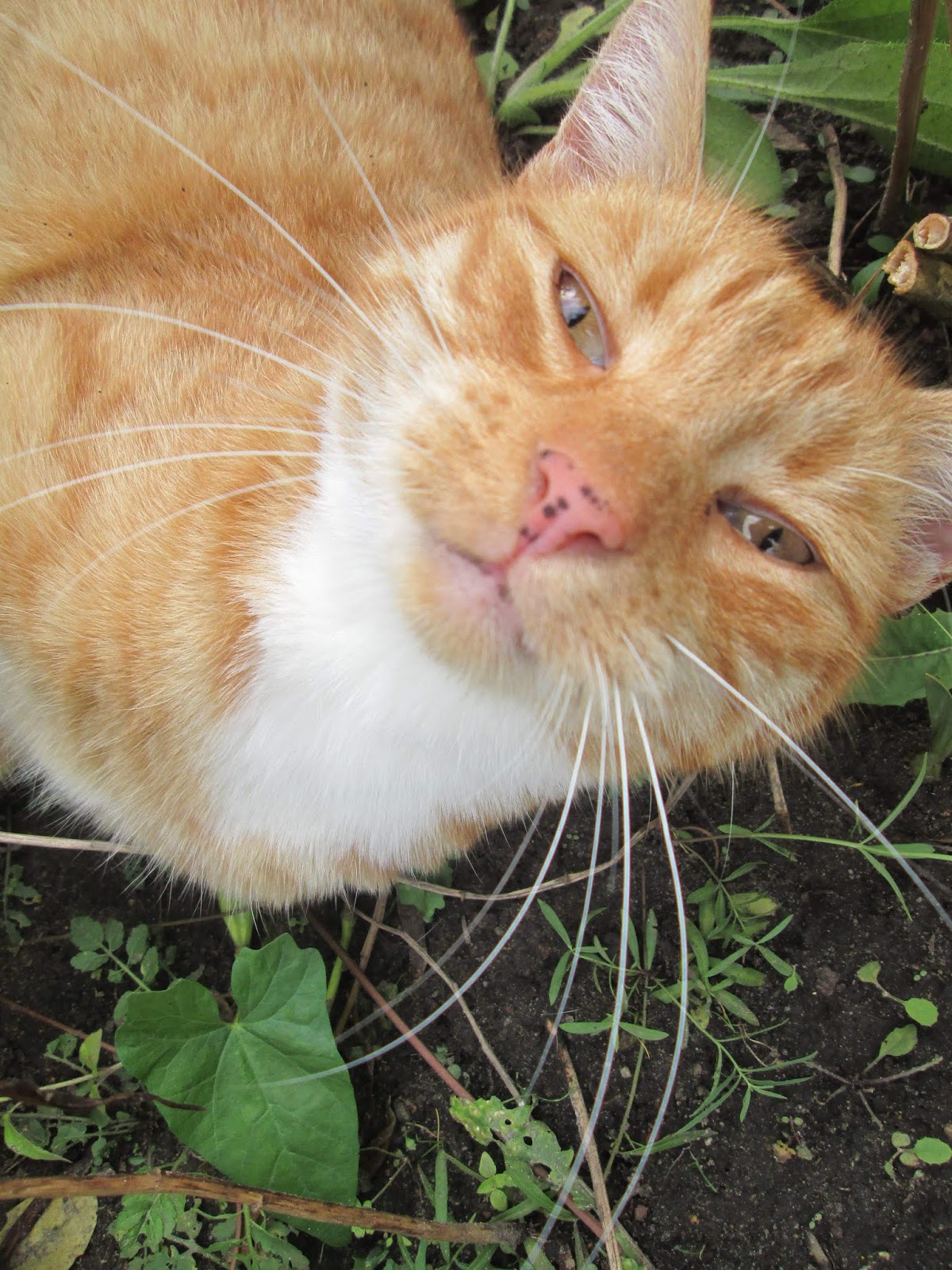
Fiona, veterinary surgeon and practice owner, shares her personal experience with her own cat, Ripley. Ripley was brought in to Wakefield Westgate Vets4Pets as a stray kitten back in 2022. Her and her husband Chris (also a vet) took her on and named her after Fiona's favourite movie, Alien. 

Personally, I think there are few things as scary as being chased around your house by an angry cat. I don’t mean a slightly annoyed, you didn’t feed me fast enough cat. I mean one filled with fire of a thousand demons who literally wants to end you. Unfortunately, that’s the position myself and Chris found ourselves in after Ripley, our cat, had a rather short-lived stay in a cattery. A lovely cattery, with underfloor heating and all the fuss you could want. However halfway through her stay she decided she’d had enough. This meant organising a friend to collect her early due to her “anger issues” and the fact the poor cattery owner was having to use a cardboard barrier to prevent herself being injured and her demonic screaming was upsetting the other guests.

Aggression in cats is a really tricky one to navigate, as trying to find out what they are angry about can be very difficult. In our case one day Chris wasn’t even allowed through the front door and was met with howling, snarling and attempts to attack. So where do you even begin? First step is making sure they are fit and healthy, so getting into your vets for a full health check to make sure there is no pain or any other signs of illness. We got that one ticked off straight away and all was well physically. Now to tackle her cat brain, tricky at the best of times. We identified when the behaviour seemed to be worse and what could possibly be triggering it. She seemed worse around her “resources”, so anything she valued highly. In her case, this was her food, her water bowl and her litter tray – especially if we emptied her urine from it (her poos were fine to go for some reason).

We decided this did make sense, as she possibly decided she needed to start guarding her resources when she was in an unfamiliar surroundings and this continued once home. So we decided to spread everything out. We put her food, water and litter trays in different rooms and on different floors to each other. This meant she wasn’t having to defend a tiny area and we placed everything as out of sight as possible. We bought enough Feliway and Pet Remedy Diffusers to tame a pride of lions and placed one of each on each floor of the house near her resources. Feliway is a synthetic pheromone which helps to calm and Pet Remedy is a special blend of essential oils. This started to take the edge off her fury and at least we were able to enter the house now, you take the wins where you can.

Next was distraction! We knew that cleaning out her litter tray makes her furious, so it became a two person military event. Chris would distract her in another room with some treats with the door shut whilst I did the clean up without her knowledge. I also started to train her and teach her tricks, so when any other event was about to happen which would trigger her (such as emptying the kitchen bin, I don’t know if I even want to understand what that is about), I distracted her with training and treats. So far she has learned to come, sit, spin and sit up, something which has been really easy to teach as she is very food orientated.


So far this has all worked well. We have had quite a few weeks of peace, no anger and a much more relaxed and chilled out cat. All joking aside, it was very stressful as we were concerned what would happen if we never got to the bottom of it and if we would ever be able to have visitors again, as we couldn’t even trust her not to attack us. So if this does happen to you, don’t panic, we are living proof that there are things you can do, you just need to reach out to your vets and get some help. If you are interested in cat training, there are loads of resources and videos online to help.

Good luck to my fellow cat people – Fiona.

Monday, 2 March 2026

Meet the team... our nurses

Leanne Jarvis RVN - Head Nurse

I originally started working as a VCA (Veterinary Care Assistant) back in 2011. I then did a Level 2 Certificate in Assisting Veterinary Surgeons in the monitoring of Animal Patients under Anaesthesia and Sedation, before qualifying as a Registered Veterinary Nurse in 2019, and later becoming Head Nurse. My favourite part of nursing is meeting all the lovely patients and clients and helping to make a difference in their lives.


My role involves running nursing clinics, caring for inpatients, monitoring anaesthesia, taking x-rays and running lab samples. I have a lot of admin work with organising the diary, the nurse rota and keeping the practice well stocked. The clients, patients and my amazing colleagues make my job so rewarding, I love getting to know them all and couldn't imagine working anywhere else. Another amazing part of my job is being Head Nurse, having the ability to help and support my colleagues and the practice.


At home I'm kept busy with a hectic toddler and a cat called Podrick, that charmed his way into our house at 3 weeks of age when he was taken in by the practice and has been a constant, slightly annoying but funny part of the family ever since. Unfortunately, you may not see me for a while as I will be adding another member to the family and will be on maternity leave very soon.


Hannah RVN - Lead Medical Nurse

I'm Hannah and I'm the Lead medical nurse, RVN and clinical supervisor. I have been in the veterinary industry for 12 years and qualified as a registered veterinary nurse in 2021.
I have 3 dogs - Millie the Labrador and Poppy and Arthur the Lhasa Apsos. I also have a very needy rescue cat called Mavis.
Millie comes to work with me day to day and makes sure she inspects everybody's lunches and the treat jars! 

My favourite part of my job is the medicine side and helping and advising owners during consultations. It can be a very confusing and challenging time and I enjoy trying to put people's minds at ease whilst doing the best for their pets. As a clinical supervisor, I help train the nursing students we have within practice with all the practical skills they need to know for when they newly qualify. 

I have also recently participated in a schedule 3 surgical course which has extended my knowledge of minor surgical procedures such as dental scale and polishes, minor lump removals and aural haematomas so hopefully I can get more hands on with the patients during surgery. 

In my spare time, I love to cook and bake, potter round the garden like an old lady and I have an unhealthy obsession with house plants!


Kimberley RVN 

I'm Kimberley, a registered veterinary nurse at Westgate and joined the team in 2025. I have been an RVN since 2019 and I can't imagine doing anything else. My favourite part of being an RVN is being able to make a difference to pets’ lives when they need us most. I have a special interest in dentistry and feline nursing. 

I have 3 beautiful cats at home who are all special in their own way. Penny is a greedy girl and very sassy, Autumn is our baby at 8 years old, she's a nervous nelly but very loving on her terms and our geriatric boy Mowgli at the grand age of 15 who has no concept of personal space and will give you love no matter what.


Wednesday, 23 February 2022

The Positives and Negatives of Crate Training

The use of a crate to train your dog is now a very popular choice, and is used as a management tool to enable your dog to learn about the environment. This minimizes mistakes and sets the dog up for success.

If introduced properly the dog should:

  • be happy and relaxed while in there
  • feel it is a safe place to go.

Used in the correct way a crate is a temporary measure and can aid with:

  • house training
  • stopping the dog getting into mischief
  • getting the dog used to isolation
  • keeping them from getting over aroused with other pets
  • stopping them developing bad habits

While there are many advantages of using a crate there are some disadvantages. Far too many dogs spend long periods of time in the crate without enough exercise or mental stimulation in between these periods, the crate then becomes a prison.

The crate should never be used as a way of punishing the dog, it will only create anxiety in the dog and cause further behavioural problems.

What type of crate should I use?

There are several types of crate available such as fabric, these can be useful as they are mobile and can be used for dogs that are nervous in the car, they can block out the view and help some dogs with travel sickness.

Metal crates are most popular and come in a variety of sizes. They are much more durable and easy to clean.

The crate should be large enough for a dog to be able to stand comfortably and turn around. It should allow for a bed and water bowl inside. This may mean people who own large breed dogs may need to replace the size of the crate as the dog grows.


Introducing the crate

Placement of the crate is important, unless you are working on some behavioural issue it should never be placed in an area where it is busy but preferably somewhere more quiet where the dog can rest. 

Let the dog/puppy investigate the crate and praise any time the dog goes near the crate.

Leaving the door open throw food inside the crate and once going in reliably you can then add a cue such as ‘bed’ or any word you like followed by the food, if repeated enough the dog should go in on request.

Make all pleasant things happen in the crate by feeding meals in there and giving interactive toys such as the Kong range.

Only when the dog is going in and out by itself and settling down should you start to close the door, initially for a few minutes and gradually building up periods of time.

It can be useful to part cover the crate with a blanket this blocks out noise and can also make the dog feel safe.

If finances permit it can be useful to have two crates one in an area of low traffic this can help getting the dog used to isolation and prevent separation related issues in the future. The other crate can be put in the living room or another busy area. This way the dog gets used to seeing that in an evening, family members and other dogs settle down and there is little interaction, it can help with the dog settling and not pestering for attention.

When your puppy is in the crate it is best not to interact with it or this could start the cycle of pestering and being disruptive while in the crate.

As puppy gets older how you let him/her out of the crate can create bad habits so ensure that puppy is calm before letting out and eventually you can teach a ‘sit’ and ‘wait’ on request, this can then transfer to waiting at the door or the gate if going for a walk.

Can a dog spend too much time in a crate?

The short answer is ‘yes’ the crate is merely a tool to aid house training. Dogs must be given the opportunity to urinate and defecate at regular intervals and in between these times, it must be given the opportunity to explore the environment. Yes it will pick up things it shouldn’t do from time to time and it is our job to redirect them to something more appropriate.

Our dogs must be given appropriate exercise to meet it’s developmental needs. This can vary from breed to breed. In general unless there is a medical problem advised by your vet, periods no longer than three or four hours should be spent in the crate at any one time.

Dogs that spend too much time in a crate are not living their best life, they lack exercise and human interaction. This can have disastrous effects on the dog and can contribute to behavioural problems in the future such as frustration, anxiousness, depression and aggression.

Looking at it from our perspective, you wouldn’t want to spend all your time in one room. So it is very important that our pets get the opportunity to eat and drink, toilet, exercise, socialise and play in a varied environment. 


Friday, 10 December 2021

Pregnancy - Getting your cats used to the arrival of a baby


Living with cats when pregnant – How to reduce their stress and keep yourself safe.

So I and my partner are expecting a baby January 2022. We live with two cats who are brother and sister, Edwina and Albert. We’ve had to make a couple of changes in the house to ensure a safe pregnancy but also not upset the cats either. This is a little guide to how we’ve coped and adapted so far.


There are some health concerns with cats, pregnancy and young children. One being toxoplasmosis which is a parasite found in cat faeces. During pregnancy we would advise avoiding the cleaning of litter trays if possible, or wearing gloves whilst doing so. Wear gloves whilst gardening and making sure to follow good hygiene when handling and preparing food. Cats obviously walk everywhere, so make sure all kitchen worktops are cleaned before use. Making sure to wash hands after handling and petting cats. We are also making sure to keep up-to-date with worming treatment, particularly treatment for roundworm which can cause problems for young children.


Cats can get quite stressed with changes to the house so to help combat this we’ve install Feliway and Pet Remedy plug-in diffusers around the house. These work by releasing pheromones and calming natural herbs to help the cats feel relaxed and familiar with the environment despite the changes.


One of the big changes has been the decorating of the nursery. That has included strange smells of paint, a new carpet being fitted and new furniture being introduced. It is important for safety and peace of mind that the baby’s room is kept as a no-go area for cats, especially when they are small.  Though we advise against cats going into the nursery we do advise that any new items are introduced to them gradually, so they can become accustomed to all the paraphernalia which accompanies a new baby.  Rubbing a soft cloth around your cats’ cheeks and face will help to pick up some of their natural pheromones, and rubbing this cloth on the new items will help them become more accepted.

As it is a two cat household we’ve also needed to consider how the changes might affect their relationship. Cats do prefer to live individually rather than in groups, although they may well tolerate other cats well. Any stress might end up being a final straw for some cats which then might result in tension, fighting and undesirable toileting habits outside of the litter box. As a rule of thumb it is recommended that every household has one litter box per cat, plus a spare. Our cats do prefer to toilet outside but we do have a backup litter box in a secluded area just in case of a toilet emergency. Just like us, cats would prefer to go to the toilet in peace. So litter boxes should be placed in quiet areas, away from busy household walkways. Cats don’t like the possibility of being ambushed either when toileting, so make sure they can still see the goings on of the room from the opening of the litter box. Cat’s cat be quite particular about litter trays and the substrate used so for more information visit: https://www.cats.org.uk/help-and-advice/home-and-environment/toileting.


My partner and I have made a conscious effort that the cats still get the same amount of attention even though our lives are changing. Cats can get equally upset about owners routines changing, especially if they like to spend a lot of time with their owners. When the baby is born we will also have to make an effort to keep up the attention and affection the cats get. We will continue with the plug-in diffusers until the baby is around a year old, maybe longer as things will be constantly changing within the household. Pet Remedy also supply wipes that I have used on new furniture entering the house. Cats have pretty sensitive noses and can be upset by new smells. A good indication of this is if your cat might urinate on new or electrical household items. This makes the item smell like themselves, which is comforting, although it might not be the same for us! We’ve been quite lucky and so far the cats have taken quite well to the new additions in the house. Particularly the pregnancy pillows which have been claimed as a cat bed.

Albert enjoying the pregnancy pillow 

Once the baby is born we will make sure both cats have areas to escape to if they want some peace and quiet. Food bowls, water and litter trays need to be accessible at all times. Cats quite like places high up or even low areas under beds. The main thing for them is to feel safe and that they can’t been seen or easily snuck up on. Thinking about how you can create these hiding places throughout the house is paramount for a happy cat. Using cardboard boxes or suitcases to create cat dens is easily done. Edwina likes high up areas such as on top of wardrobes of kitchen cabinets. We often put beds up there to add to her comfort. Whereas Albert prefers spaces under beds to hide so we have donated him a suitcase to sleep on under the bed.


There is also plenty of useful information on the international cat care website surrounding cats and babies if you follow this link: https://icatcare.org/advice/cats-and-babies/

Thursday, 21 November 2019

What to Look For in a Dog Trainer or Behaviour Advisor


What to Look For in a Dog Trainer or Behaviour Advisor


Hello I’m Hilary, a registered Veterinary nurse. I am a member of the Centre of Applied Pet Ethology (COAPE) and have been helping clients with their dog’s behaviour and training since 2001. I used to compete in obedience with my own dogs and did lots of fun training exercises. I am writing a series of blogs which I hope you all find helpful.

At present the dog training and behaviour industry is sadly unregulated and so anyone can set themselves up in business even if they have little training experience with dogs. This can potentially lead  to poor practice and standards of welfare for the dog.

We have all seen people in the past talking about dominance and submission and even but many are now realising there is a better way to train dogs. 

There are so many people offering their services in the dog training and behaviour sector it is mind boggling, so how do we choose?

  • The first thing I advise is to find a class and ask if you can sit in on a lesson and watch how the trainer interacts with the dogs and their owners. You wouldn’t send a child to a school without first checking it out. If you are refused then look elsewhere.  
  • Classes should be kept small with no more than six to eight dogs. That way you and your dog get individual attention from the trainer and you can discuss anything that concerns you.
  • Classes should not last much longer than 30 minutes for young dogs under 6 months and no more than one hour for dogs over a year of age.
  • Good classes are often tailored to the age of the dog such as puppy, junior/intermediate and adult.
  • A good trainer will cater for the dogs needs and recognise that some dogs are unable to cope in a class situation. They could provide an area where the dogs can just relax and observe without participation until they feel more comfortable to join in. Other trainers may have the space and are able to provide individual areas for each dog. This is so your dog has their own personal space and feel more relaxed. Some dogs may need one to one training especially if they are fearful or reactive around other dogs and people.

Classes run by forward thinking trainers are structured, use reward based, force free training methods and are run by people who have invested time and money in keeping up to date with modern science based techniques. They are able to identify stress in dogs and will look for solutions to problems realising all dogs are not the same and like people, learn differently.

Classes like this are very relaxed and clients are able to sit in a chair and the dogs are allowed to use a mat or a bed in between teachings, the atmosphere is often one of calm.


Professional organisations such as:
  • Association of Pet Dog Trainers
  • Association of Pet Behaviour Councillors
  • COAPE Association of Applied Pet Behaviourist and Trainers
  • The Animal Behaviour and Training Council and Dogs Trust

are all good places to look when looking for a trainer or behaviourist as they are required to adhere to a strict code of conduct ensuring that no punitive methods or equipment is used when training dogs.

What to avoid:
  • Classes where there are a mixture of dogs of various ages
  • Those classes where you can attend on a roll on/roll off basis
  • Classes where there are lots of dogs and lots of disruption.
  • Those based on an outdated dominance theory, crossing lines and punishment and often use choke chains.
  • Anything that makes you feel uncomfortable

Some dogs are unable to learn in this type of environment and this is often when people say ‘’they have gone to training school but the dog is no better’’or the dog has become aggressive. Due to these out dated methods, dog behaviour can be made worse. Every dog can be worked with as long as you are willing to put in the time and effort.

If any of you have a topic you would like discussing please let me know, via Facebook or contacting the practice directly on 01924 566766

Next time: The use of indoor crates.


Monday, 21 October 2019

Punishment vs Reward in Dog Training


Punishment vs Reward in Dog Training


In order to build a strong relationship with our dogs they must trust us. Some dog trainers use methods that appear to dispute this and train through fear and punishment. This weakens the relationship between owner and the dog and makes us appear unpredictable to the dog.

Physically man handling your dog, such as forcing it to the ground is sometimes called an Alpha roll. Muzzle grabbing, Alpha rolls and the twisting of body parts are all based on outdated theories of dominance and pack leadership.

Modern science has now proved that studies done on wolves many years ago were inaccurate. These wolves were captive and forced to live in groups which were made up through human selection and not natural selection. This created conflict and appears to be where the dominance theory originates.

Dogs do not strive to dominate their human carers. When a dog is displaying behaviours that are perfectly natural for the dog, such as growling or lip curling, we might find those behaviours offensive but this usually means there is some form of conflict going on.

People who train using fear and punishment cause anxiety in the dog which suppresses the dog’s behaviour. For example yanking a dog with a choke chain, the dog may stop pulling in the presence of the punisher because of fear. However the dog may carry on pulling when being walked on the lead by someone other than the punisher.

Punishment can make some dogs resort to using aggressive behaviours through fear, whilst other dogs can get depressed and some will shut down completely which is very sad.

The other thing to remember is that you can do a lot of damage to a dog by yanking a collar on the neck area. As well as containing the cervical spine there are also important arteries and veins as well as the trachea (windpipe) which can be traumatised. I also wouldn’t advise forcing a dog into a ‘sit or down’ position as this could cause pain as some dogs may have undiagnosed hip or spinal problems.

Reward based training not only creates trust but gets quicker results and is more enjoyable for both owner and dog.


Most modern dog trainers have a ‘hands off ‘approach and get the dog to work through motivating the dog. This could be through toys or food depending on what the dog enjoys, the dog also has to use the brain by working out what it is we are trying to teach them.

So if we were teaching a ‘sit’ one of the ways would be to use the lure /reward method. By holding a treat just above the dog’s nose and when the head goes up the dog automatically goes into a ‘sit’ position. The dog is then rewarded and once doing this reliably you can then add the cue like saying sit. When the behaviour is reliable you can then look at rewarding just the quickest or best ‘sits’ until eventually your dog gets used to sitting without needing food every single time.

I know that I want my dogs to work for me because they enjoy it and not because they are fearful of me. One last word if someone tells you to do something to your dog that you feel is not right then do not do it. - Hilary Hardcastle Registered Veterinary Nurse DipCABT

 Next Time...

What to look for in a good dog trainer


Wednesday, 5 December 2018

Meet the surgeons (but mainly their pets)


As well as Fiona and Chris we also have two assistant veterinary surgeons at Wakefield Westgate, Arleta and Justyna. 

Teofil
Arleta joined the team in 2016. She particularly enjoys surgery and is looking forward to starting a certificate in emergency and critical care. Arleta qualified in Poland back in 2009 and worked at a mixed animal practice. In 2014 she fancied a big change, took a leap and moved to England. Here she worked in a few small animal vets, including the PDSA, before she decided to settle with us. 

Teofil enjoying the shade
She has one nine year old cat called Teofil, who lives back in Poland with her parents where he has a lovely big garden and his human slaves (Her mum and dad). Teofil came into Arleta’s life when she was informed by a woman there was a kitten roaming the streets. Arleta went to look and she found him hiding in a bush. He had no obvious owners and was not micro chipped so Arleta took him on as her own. He is a very well behaved cat for the most part. He waits to be invited to sit with you patiently and will not take food from anybodies hand, he will only eat it once it has been placed on the floor. Teofil also knows which part of the pillow is for him and which part he should save for Arleta's head.

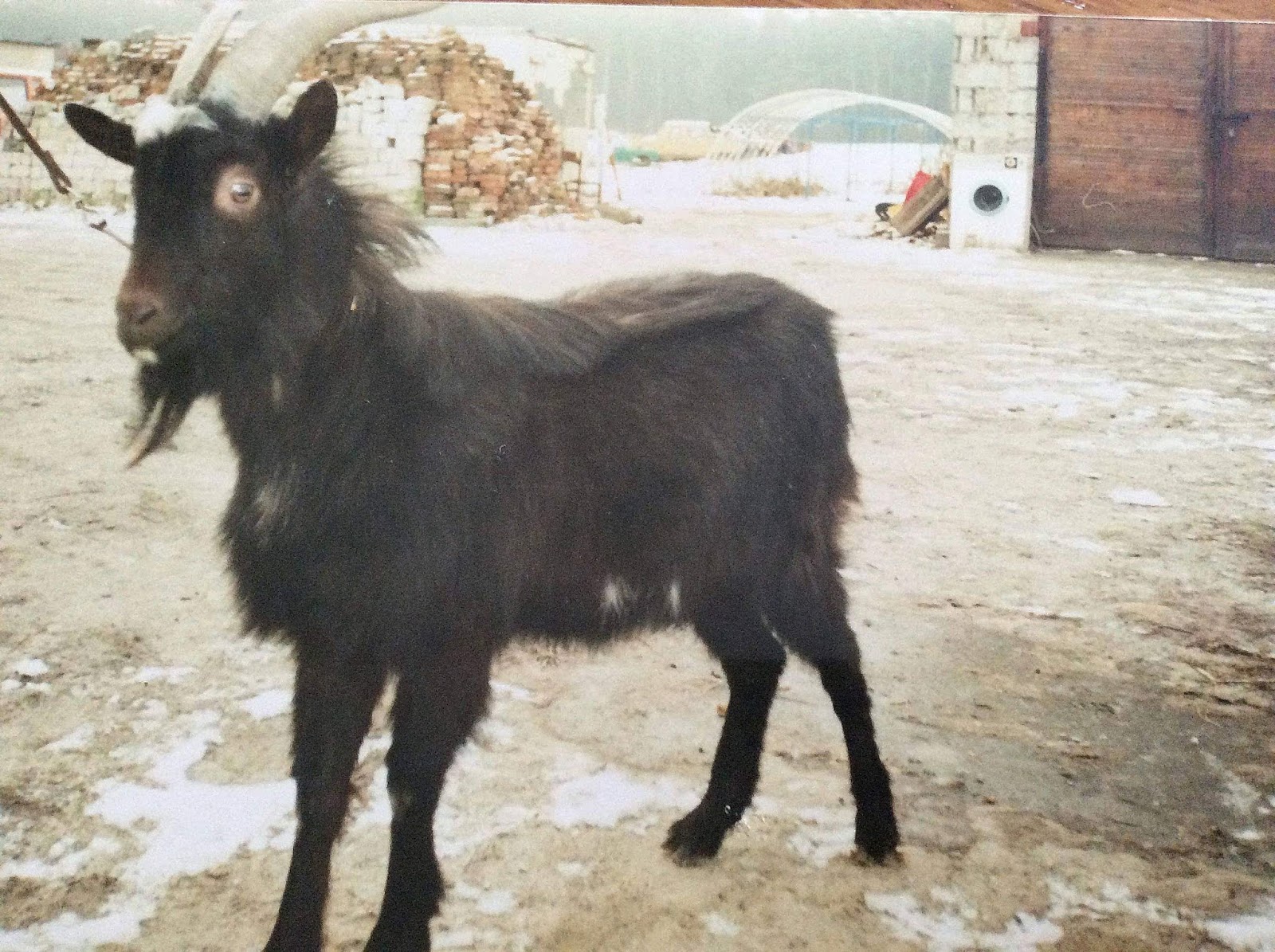
Bartek the goat

Growing up Arleta’s family always had animals including dogs, chickens, ducks, rabbits, pigs and goats so she was always very interested in becoming a vet. Her main responsibility growing up was looking after the goats. She had a favourite goat called Bartek who was very well trained and answered when she called him. 


Baby Benia
Justyna joined Wakefield Westgate Vets4Pets earlier on in 2018. She qualified in 2014 and completed an internship in Poland at a busy small animal practice. She moved to the UK with her husband after they both decided they wanted a change and to further their careers. 

Justyna has one cat, Benia who currently lives with Justyna’s parents. Benia was brought into her first practice when she was a very tiny kitten. She required bottle feeding and Justyna offered to take her home for the weekend whilst the practice was closed. The rest is history and she was adopted by Justyna! 

Benia is always watching
Benia loves playing fetch with crumpled up bits of paper. In the morning she brings Justyna and her partner balls of paper in bed to wake them up. They throw them across the room and she brings them straight back to them.

Benia comfy in a pot
She likes hiding in places she shouldn’t like open refrigerator doors, cooking pans and the neighbours apartments if they leave their doors open long enough!

Benia also likes to investigate everything brought into the house including handbags and the food shopping. She has a love of plastic carrier bags, which she likes to hide inside of and jump out on unsuspecting passers-by.

Justyna always had a high sensitivity to animals and enjoyed looking after her pets growing up so as she got older, becoming a vet seemed like a natural decision.